Building climate resilience with communities through the SEED project and river restoration
SDG 13: Climate Action
Building climate resilience with communities through the SEED project and river restoration
Mulungushi University works with local communities to understand climate change and adapt to it.
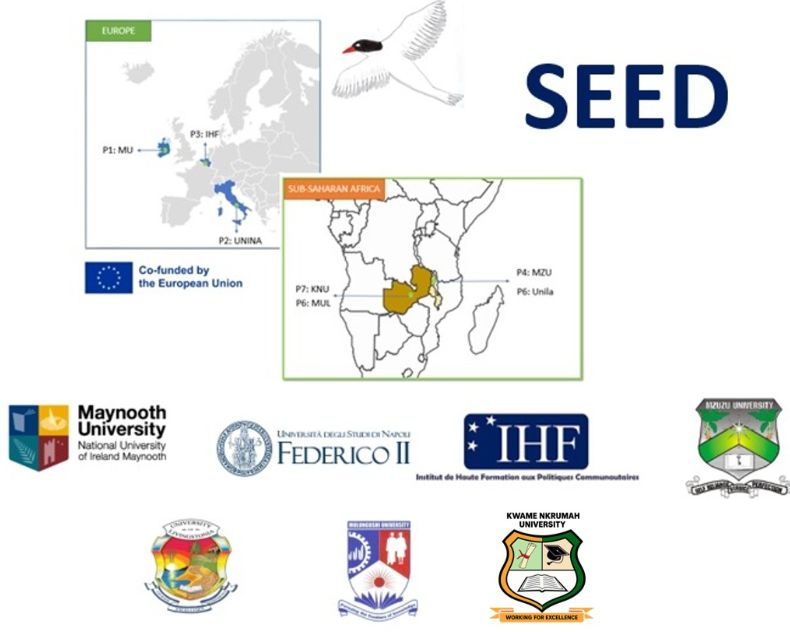
Under the Sustainable Community-based Enterprise Development (SEED) project, a three-year Erasmus+ initiative for 2025 to 2027 co-funded by the European Union with a budget of €799,634, the University is working with partners in Zambia and Malawi. Together they are developing micro-credential courses in climate-responsive, community-based enterprise. In 2025, the University held awareness activities that reached more than 300 students, staff, community members, government officials and private sector representatives. In February 2025, it carried out community needs assessments so that courses on agriculture and climate resilience meet local needs. Academic staff completed a six-week Training of Trainers and further training in Ireland.
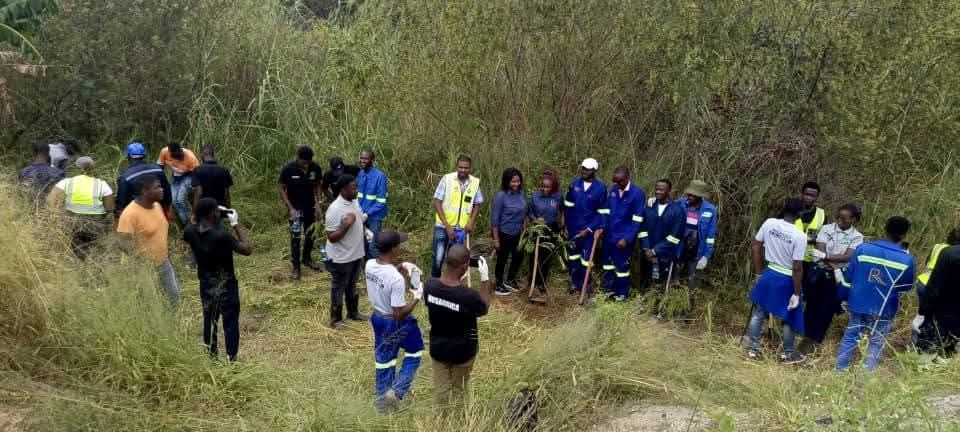
On 20 March 2025, in the lead-up to World Water Day, Mulungushi University students joined the Rotary Club of Kabwe and the Water Resources Management Authority (WARMA) to plant trees along the Mulungushi River. The river supplies municipal water, hydroelectric power, irrigation and fisheries. The activity was part of a campaign on water stewardship and climate resilience under the national theme 'Water Source Protection Amidst Climate Change and Pollution'.
The University also teaches climate change through its degree programmes, which cover climate risks, impacts, mitigation, adaptation, disaster risk reduction and early warning. Postgraduate programmes include the MSc in Environmental and Natural Resources Management, the Master of Climate Change and Sustainable Development, the MSc in Agricultural Risk Management and the Master in Disaster Studies. Undergraduate programmes include BSc degrees in Land and Water Resources Management, Natural Resources Management, Environmental Studies, Agriculture, Agronomy, and Climatology and Environmental Management. The University also showcased its climate change initiatives at the Central Province Agricultural and Commercial Show.